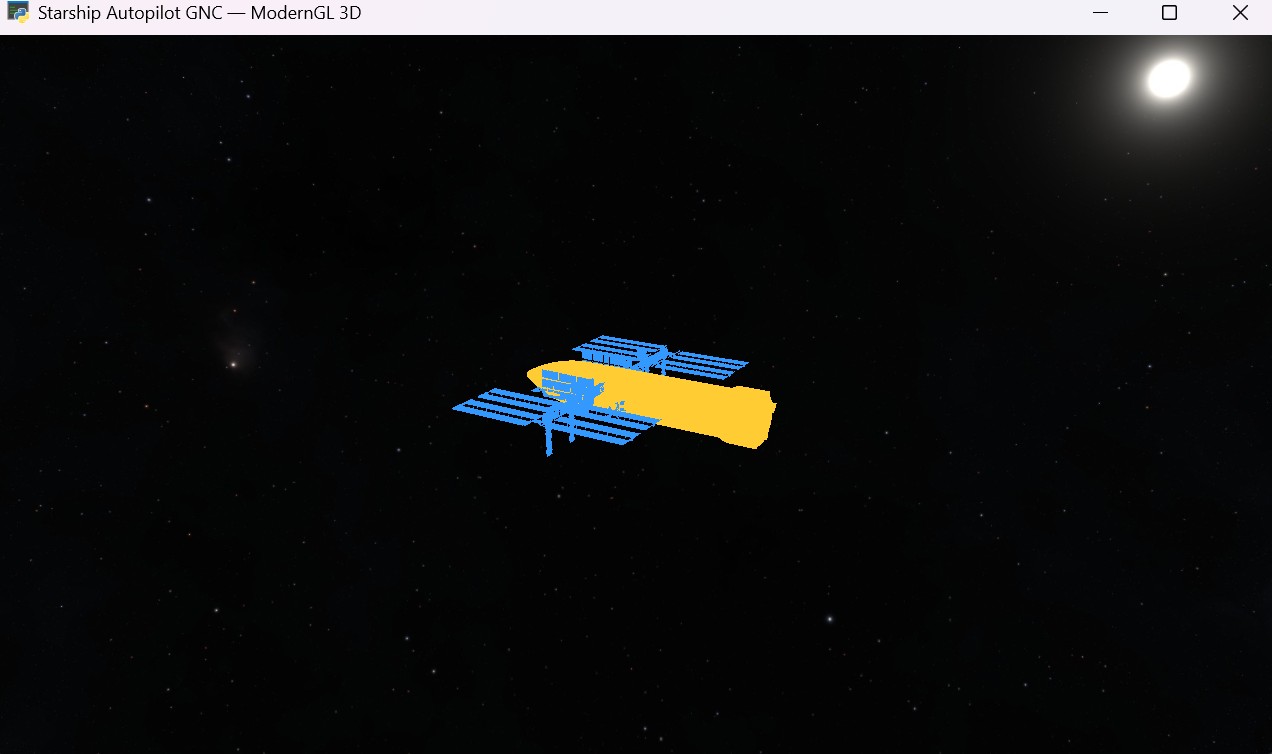
An autonomous spacecraft docking simulation implementing dual quaternion-based Guidance, Navigation and Control for precision docking with an International Space Station (ISS)-class target.
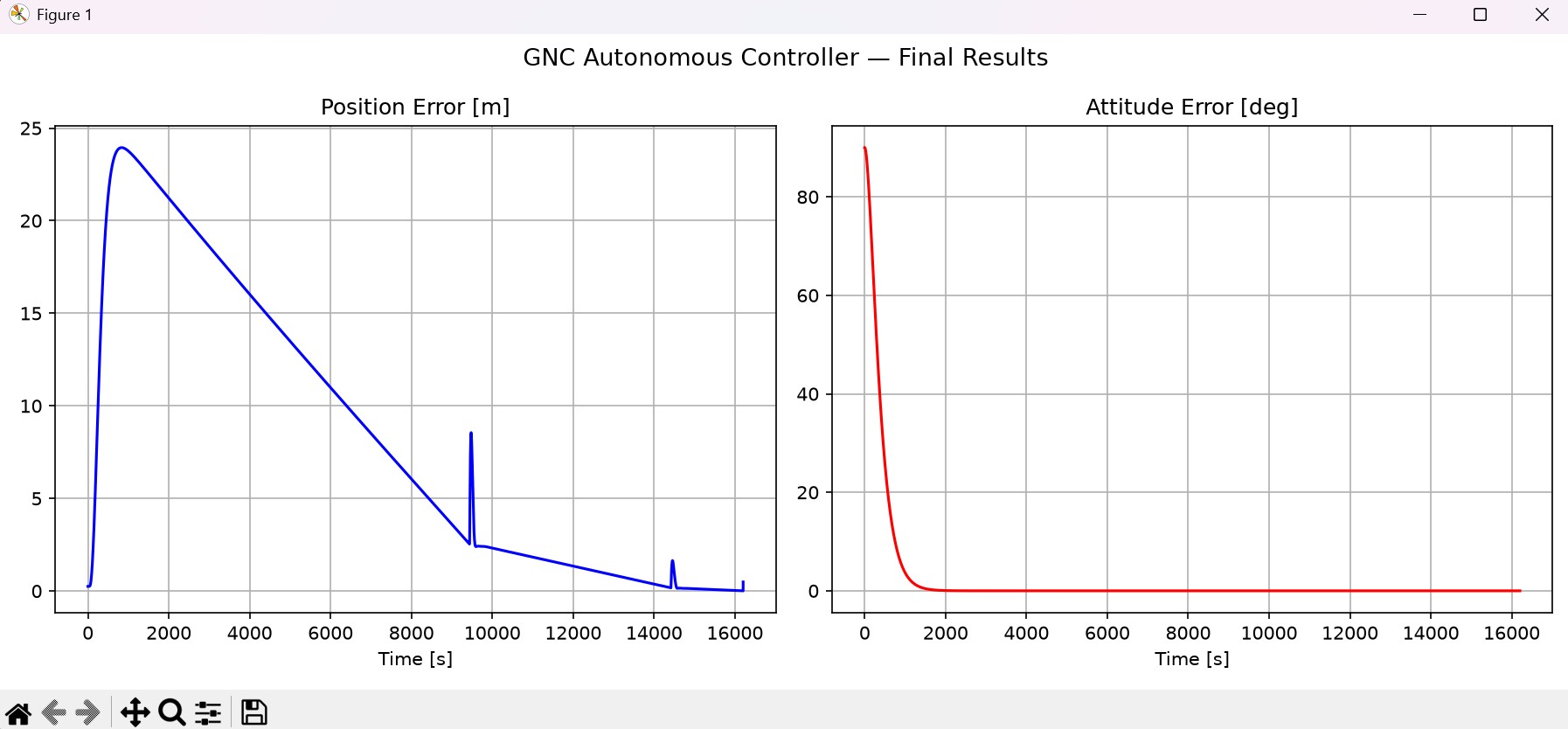
Achieve accurate six-degree-of-freedom docking while simultaneously satisfying strict translational and rotational alignment constraints throughout the terminal approach.
Approach
Developed a unified dual quaternion control architecture that continuously regulates relative position and attitude during rendezvous and docking. The controller minimizes docking errors while ensuring smooth, stable terminal guidance.
Outcome
Validated a complete autonomous docking strategy capable of performing coordinated six-degree-of-freedom approach maneuvers with high precision, demonstrating the advantages of dual quaternion control for complex spacecraft rendezvous and docking missions.
Tools
PythonNumPySciPy
Roadmap
Dual Quaternion GNC for ISS-Class Docking
An autonomous spacecraft docking simulation implementing dual quaternion-based Guidance, Navigation and Control for precision docking with an International Space Station (ISS)-class target.
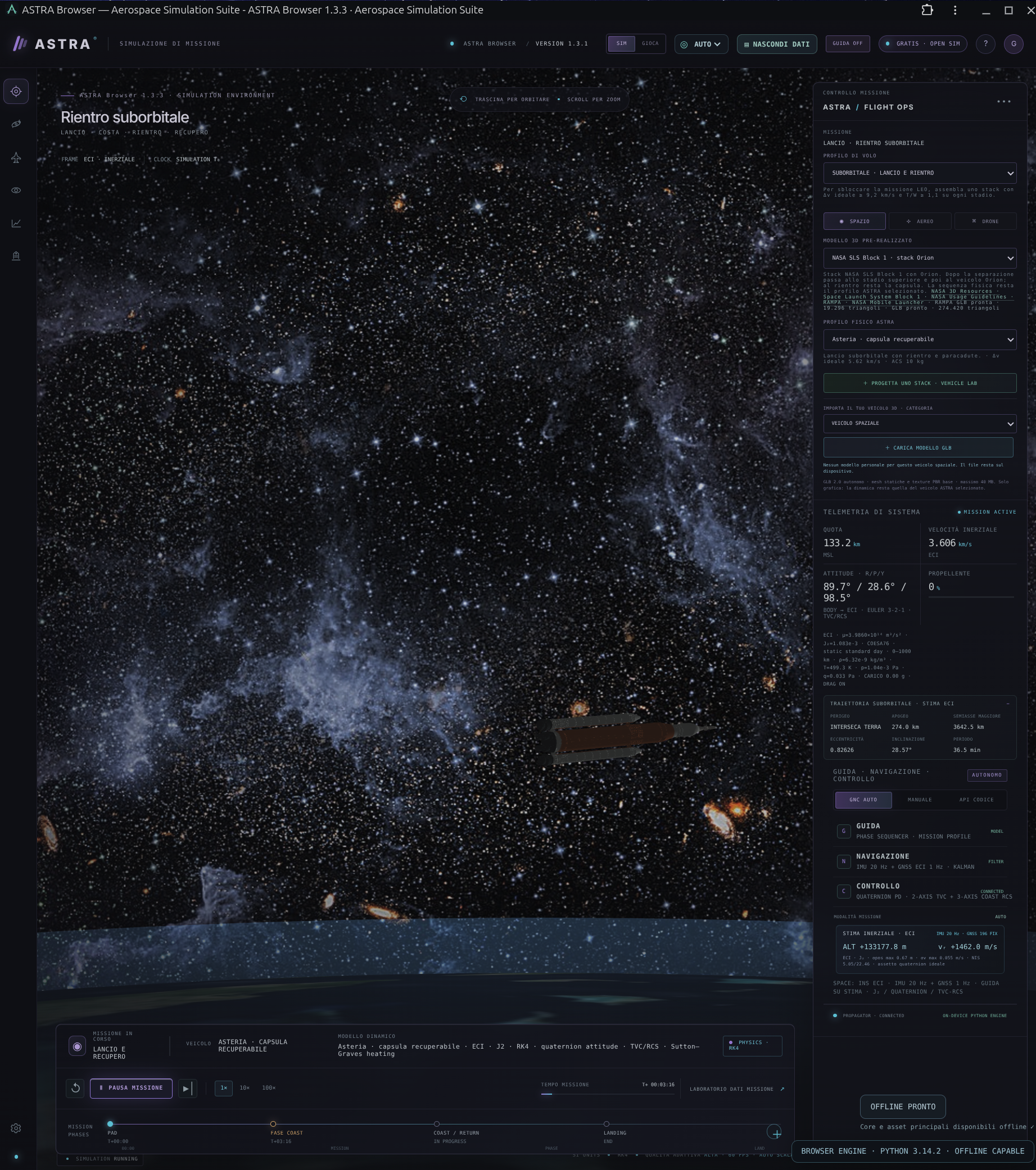
A high-fidelity aerospace simulation environment designed to visualize orbital mechanics, spacecraft dynamics, and mission operations in real time. The simulator serves as both an engineering tool and an educational pla…
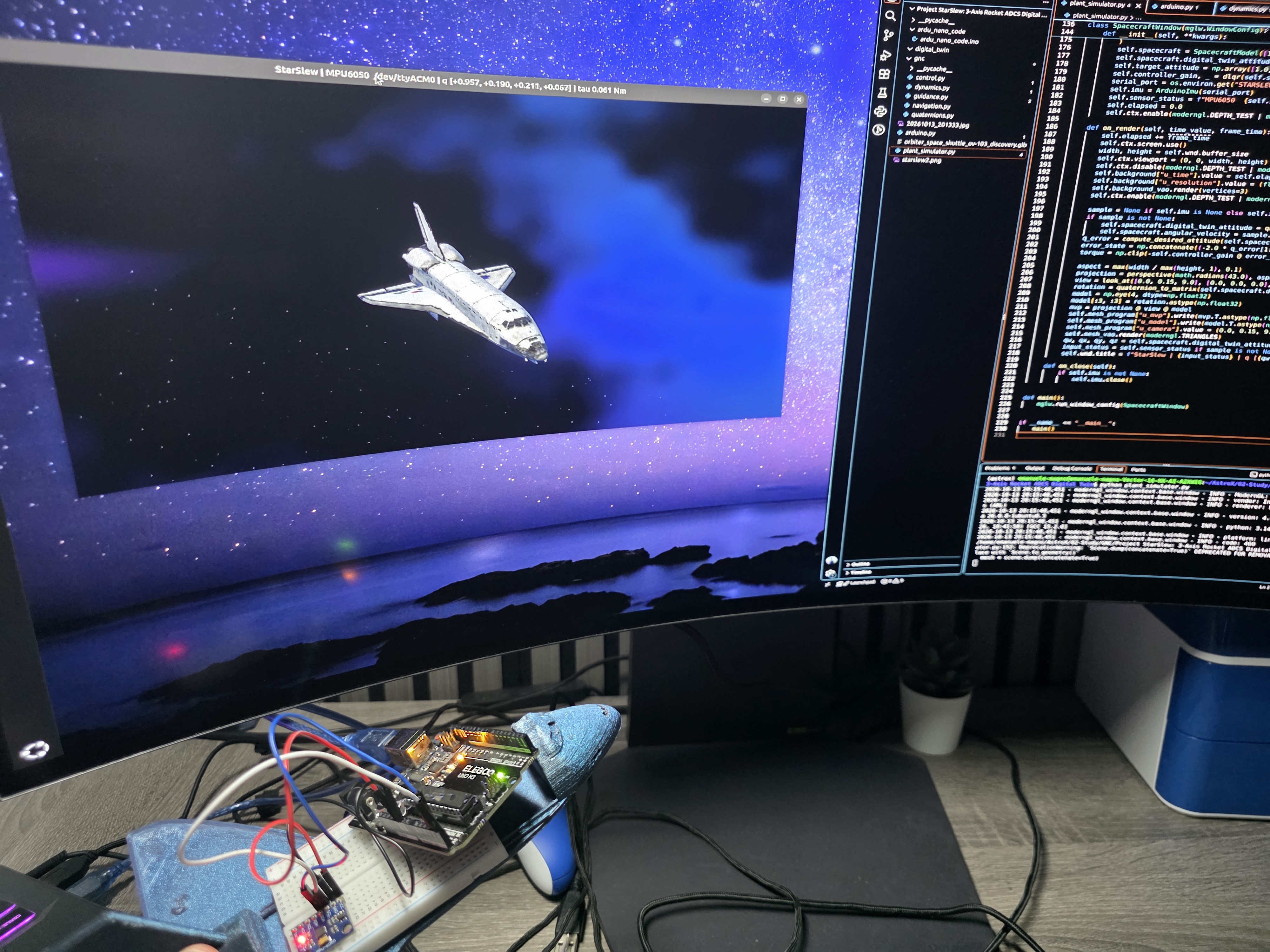
TECHNICAL PROJECT / Project StarSlew 3-Axis Rocket ADCS Digital Twin
StarSlew is a 3-axis attitude-control digital twin that connects an Arduino Nano and MPU6050 to a quaternion-based GNC software stack and a 3D spacecraft visualization.
TECHNICAL PROJECT / Robust 6-DOF Guidance, Navigation and Control for Autonomous Powered Descent Under Wind, Navigation Uncertainty and Partial Actuator Degradation
The objective is to recover a six-degree-of-freedom vehicle from an initially descending, laterally displaced and
deliberately tilted state, reject atmospheric wind and sensor uncertainty, command thrust and two-axis t…